


 MENU
MENUCummins Inc. is a global leader in the design, manufacture, and distribution of diesel, natural gas, and electric powertrain technologies. Within Cummins’ Combustion Research group, Technical Advisor Kunlun Liu supports engine development through advanced CFD simulations focused on reactive flow and conjugate heat transfer. These studies are central to improving combustion efficiency, reducing emissions, and advancing the company’s sustainability goals.
Gaining Deeper Insight into Combustion Physics
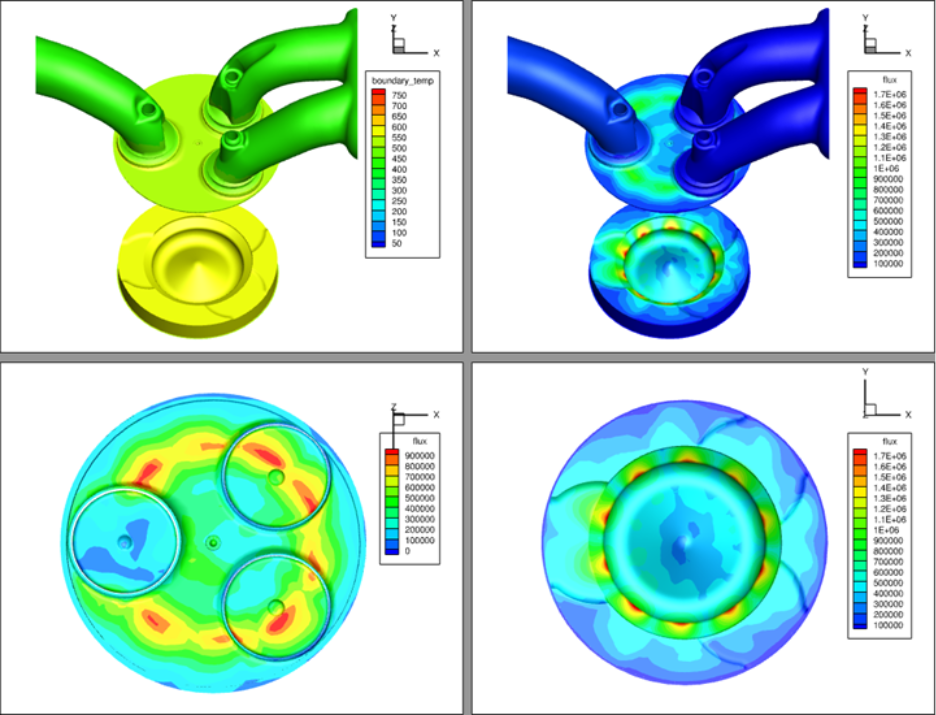
Cummins’ CFD work relies on large, three-dimensional models that capture the intricate details of combustion chemistry, turbulence–flame interaction, and heat transfer. These simulations are often executed on multi-core clusters and high‑performance computing systems, which generate extremely large datasets that must be transformed into meaningful engineering insight.
This is where Tecplot 360 and PyTecplot play a critical role.
“We use Tecplot 360 to post-process our simulation results for internal combustion engines and injector flow analyses,” Liu explains. “Fluidfield visualization is one of the most important functions in our work, and PyTecplot has become an increasingly valuable tool.”
Automating and Streamlining Analysis with PyTecplot
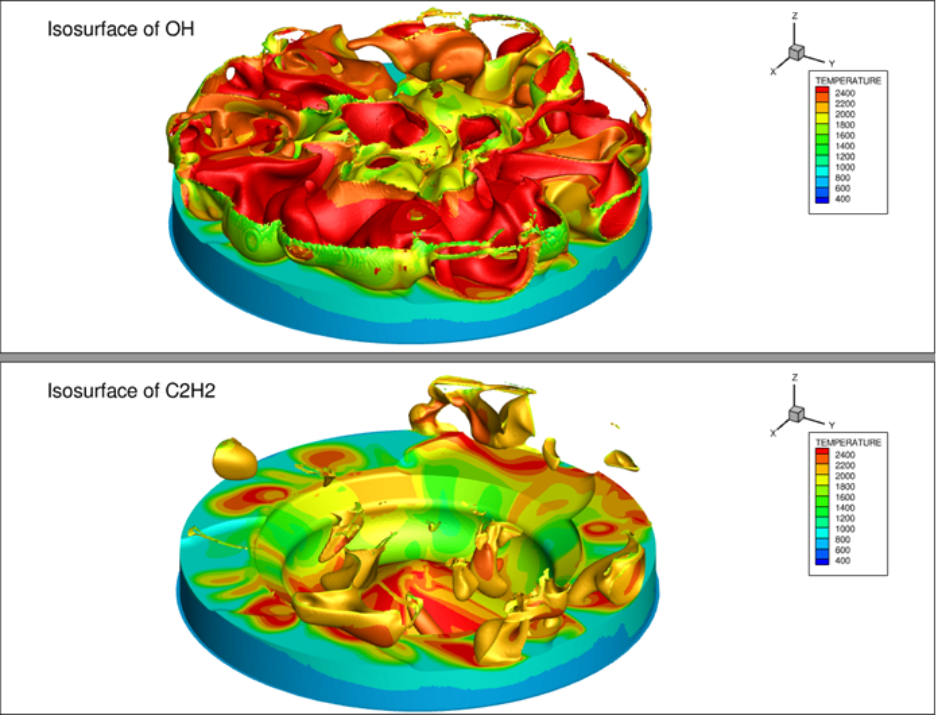
Liu’s team uses PyTecplot to automate analysis of reactive flow behavior, including tracking the evolution and statistical characteristics of chemical species. One focus area is soot formation, where PyTecplot helps quantify soot core development within fuel-rich flame regions. The team also uses automation to evaluate how design modifications influence oxidation and emissions related processes.
With PyTecplot, Lui’s team has experienced more consistent post-processing, faster turnaround, and improved ability to evaluate design changes.
“Tecplot 360 is highly user-friendly for these purposes,” Liu notes. “It has enabled significant time savings for our engineers in data processing and analysis.
Turning Complex Data Into Actionable Engineering Insight
In combustion development, milliseconds and microns matter. Tecplot 360 and PyTecplot give Cummins engineers the clarity needed to interpret complex fluid dynamic behavior, identify meaningful trends, and accelerate hardware optimization.
For organizations seeking similar gains in engineering efficiency, Tecplot offers more than visualization software. With automation tools like PyTecplot, comprehensive documentation, and responsive support, users can streamline workflows, customize analyses, and overcome complex data challenges.
If Cummins’ experience resonates with your engineering needs, reach out to the Tecplot team to learn how these tools can advance your development process.