



 MENU
MENUTecplot 360 2025 R2
Release Date: December 11, 2025
Vulkan-Based Graphics Engine
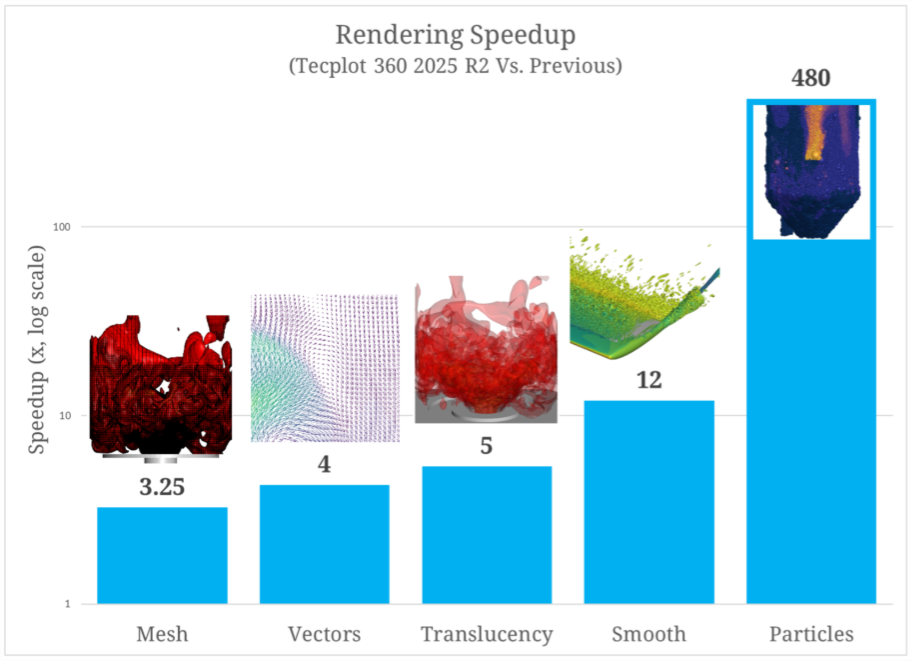
Tecplot 360 2025 R2 introduces a new Vulkan-based graphics engine, delivering significantly improved performance, visual quality, and long-term platform compatibility. This modern rendering technology enables faster and smoother visualization, up to 3x to 400x faster, especially for large and complex datasets.
The Vulkan engine operates across all Tecplot 360 supported environments, including systems with discrete, integrated, or virtual GPUs, and even software rendering on CPUs. For best results, a discrete GPU with updated drivers is recommended.
Faster Translucency with GPU-Accelerated OIT
This release introduces GPU-accelerated Order Independent Translucency (OIT), which renders overlapping translucent surfaces both accurately and efficiently.
Traditional translucency required sorting (on the slower CPU) and re-rendering multiple times. OIT eliminates that overhead, producing correct translucency regardless of object order and often achieving an order of magnitude performance increase.
Faster Particle Rendering
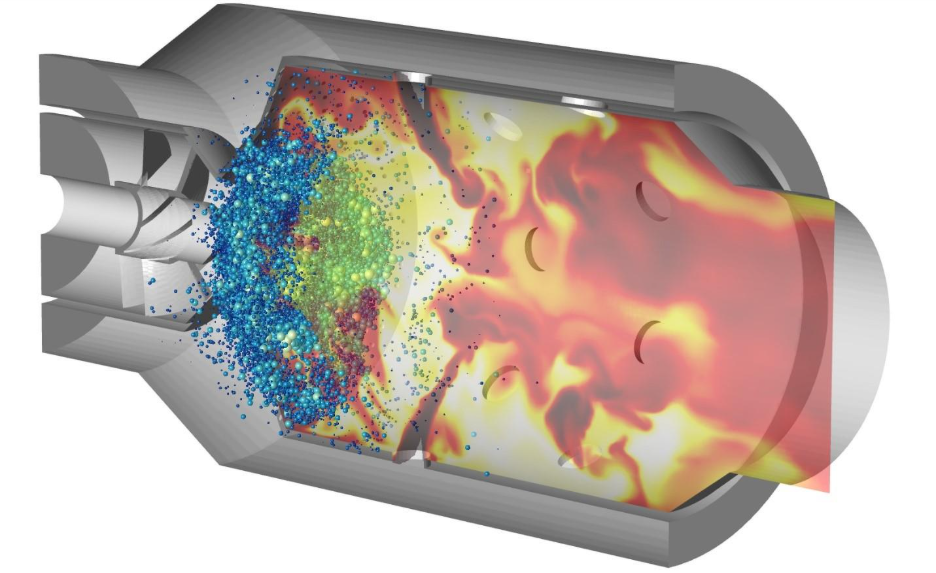
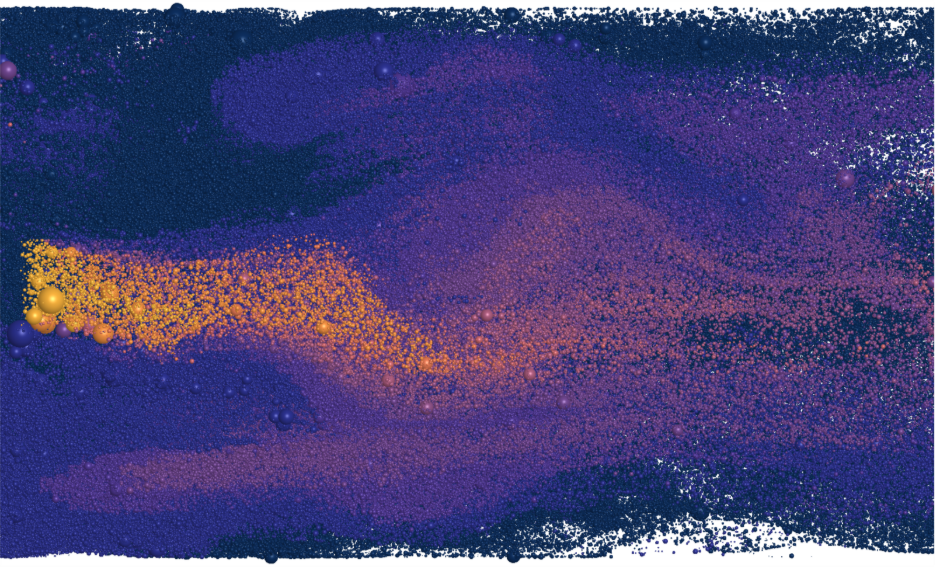
Rendering of scatter symbols has been drastically improved in this release of Tecplot 360 by better leveraging the GPU. This is particularly true when rendering sphere symbols (480x faster for the case reported in the performance chart above and pictured below). This is enabled by a new SphereScatterRenderQuality setting, FAST, which is also the new default.
New Lighting Effects and Smoother Highlights
This release introduces two new lighting effects, Smooth and Smooth with Creases, as a replacement for Gouraud. It also includes improvements to Paneled for better performance.
These lighting improvements provide smoother specular highlights and more accurate visual representation of complex geometries.
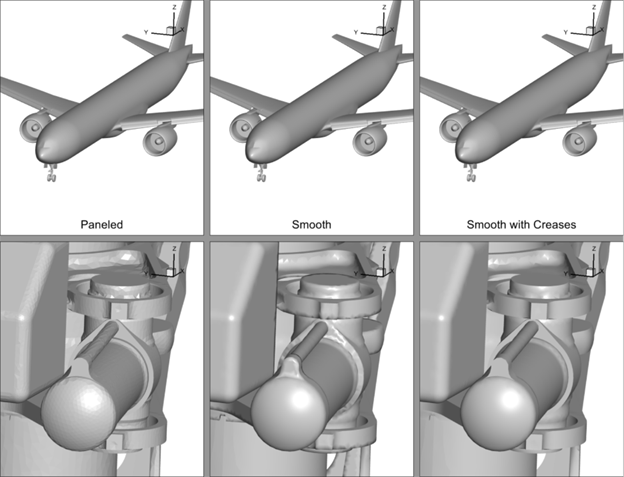
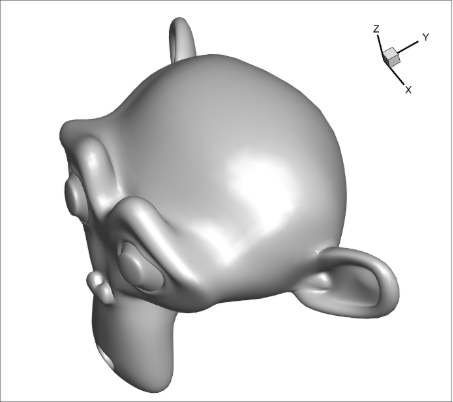
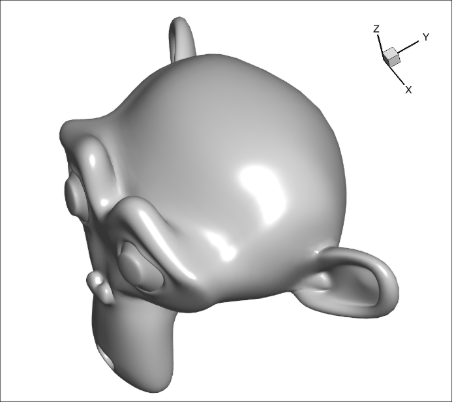
The Smooth and Smooth with Creases options use a new lighting model, Phong, which is an improvement from the former Gouraud lighting, as seen here (Gouraud on the left, Phong (aka Smooth) on the right).
Faster Vectors with GPU-Based Billboarding
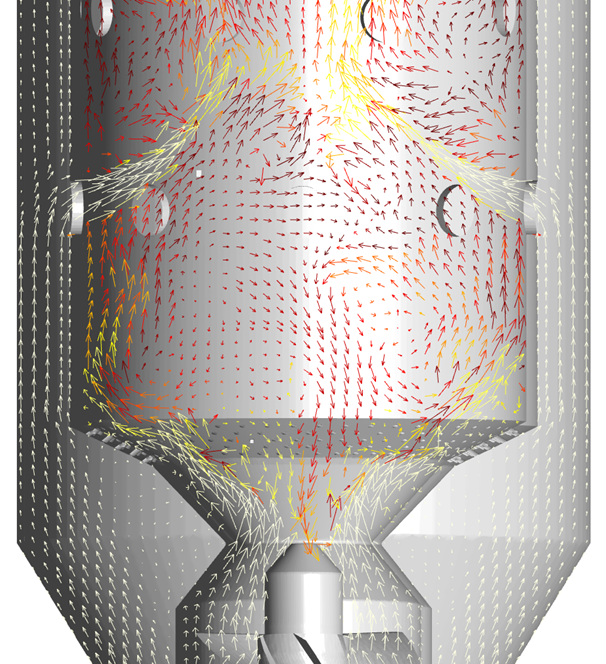
Vector arrowheads now use GPU-based billboarding, keeping them oriented toward the viewer in real time. This GPU-driven approach maintains consistent arrowhead shape and clarity across all viewing angles while significantly improving performance in large vector fields.
Anti-Aliasing
The previous Super-Sampling Anti-Aliasing (SSAA) method has been replaced by Multi-Sampling Anti-Aliasing (MSAA). MSAA delivers similarly smooth edges with far better efficiency, producing sharp images at lower GPU cost.
Vulkan Support Across Windows, Linux, and macOS
Built on the industry-standard Vulkan API, the new graphics engine offers improved performance across Windows, Linux, and macOS.
This release improves native support for Apple Silicon (M-series) processors by leveraging Apple’s proprietary Metal graphics framework, bringing drastic performance improvements for macOS users.
Other updates and improvements
For a full account of the updates and improvements in this release:
- See all updates in our Release Notes (PDF)
- See the Tecplot 360 Features Over Time