


 MENU
MENUIn engineering, flexibility has real professional value. It’s important to be able to choose your tools, adapt to new challenges, and grow alongside the problems you’re trying to solve. But when it comes to engineering software, engineers can end up sacrificing flexibility unintentionally. Whether it’s due to IT hurdles, purchasing constraints, or simply awareness of alternatives, it can be easy to default to a solution that gives you an answer now, but may tie your hands further down the road.
The Hidden Cost of Integrated Post-Processing
Choosing a solver is a decision shaped by dozens of factors: timeline, budget, available compute resources, team preferences, client compatibility, design conditions, and more. That’s exactly how it should be. There are many excellent solvers available, and the best choice is simply the one that fits your constraints.
Regardless of which solver you use, you’re ultimately trying to do many of the same things at the end of the pipeline: generate images, highlight regions of interest, compute integrated quantities, compare results, and communicate findings. Integrated post-processors promise convenience by bundling those capabilities together, but that convenience comes with a tradeoff: your post-processing workflows become coupled to a specific solver.
That coupling may not matter today, but it becomes a liability when circumstances change. Imagine you’ve invested months building scripts and workflows that your team depends on. If a new project or design condition requires a different solver, much of that investment may not transfer. Colleagues using different tools can’t readily leverage one another’s work, and organizations with heterogeneous solver environments struggle to share knowledge and best practices across teams.
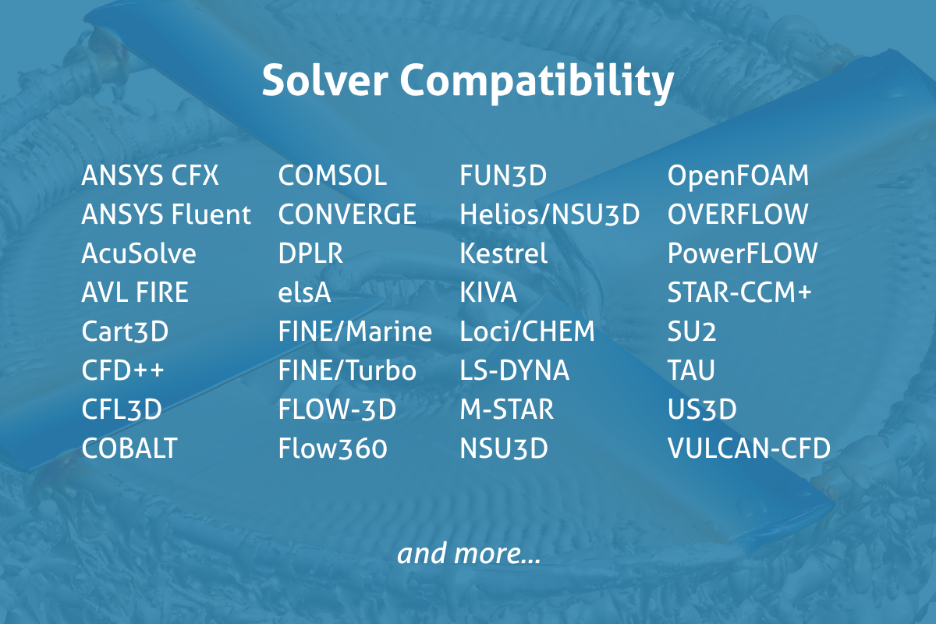
With an independent post-processing solution, you don’t need to worry about losing progress if you need to switch solvers. Tecplot software is compatible with data from a wide range of solvers.
What Independent Post-Processing Provides
A standalone post-processor like Tecplot 360 or FieldView decouples your analysis and visualization work from any upstream choice. That unlocks several advantages:
- Solver-agnostic workflows. Whether you’re working with ANSYS Fluent, OpenFOAM, STAR-CCM+, OVERFLOW, FUN3D, SU2, or something else entirely, your post-processing pipeline stays consistent. Switch solvers on a project without rebuilding your workflow from scratch.
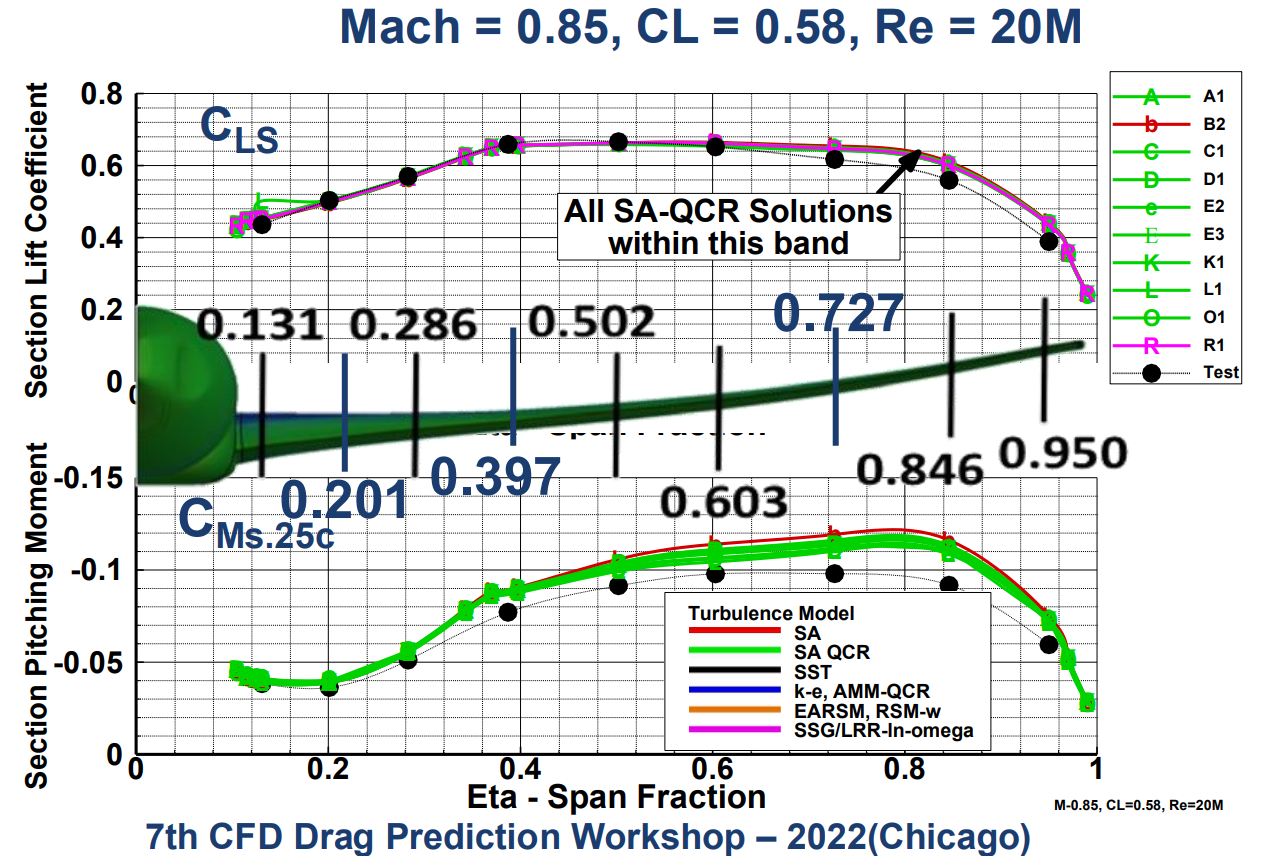
- Experimental data alongside simulation data. Real-world test data doesn’t come from a solver. Tecplot 360 handles experimental datasets naturally, letting you directly compare simulation results against wind tunnel data, flight test measurements, or lab instrumentation, all in the same environment.
- Genuine knowledge sharing across teams. When your scripts aren’t tied to a particular solver license, they travel. Your best practices become organizational assets. New team members, collaborators, and clients can all benefit from the workflows you’ve built. Both Tecplot 360 and FieldView have powerful, well-documented Python APIs that will help your team build long-lasting analysis infrastructure.
- Freedom from solver license lock-in. Many integrated tools require you to hold a pre- or post-solver seat just to do visualization. With an independent tool, you’re not burning expensive solver tokens just to look at your results. Post-processing can happen wherever and whenever it needs to: on a different machine, by a different person, later in the project.
Why Tecplot, Specifically
Not all independent post-processors are created equal. What separates Tecplot software isn’t just its standalone nature, but the way we invest our resources directly into supporting the people who use it.
When you contact Tecplot support, you’re not routed through a generic, tiered support system designed for a massive enterprise product. You connect with people who know the software deeply and understand the kinds of problems you’re trying to solve. The same experts work with you repeatedly, learning your workflows, your challenges, and your goals. That kind of relationship turns support into a real extension of your team, helping you move faster, solve harder problems, and get more value out of your data.
Harmonious Post-Processing for a Heterogeneous World
Today’s engineering organizations aren’t monolithic. They use different solvers, run on different compute infrastructure, collaborate across institutional boundaries, and deal with data from sources that no integrated tool was designed to handle.
The answer isn’t to force all that diversity into one vendor’s ecosystem. The answer is to separate concerns cleanly: choose the best solver for your simulation and the best tool for your post-processing.
Independent post-processors like Tecplot 360 and FieldView grant you the flexibility to work with heterogeneous data, teams, and compute environments while keeping post-processing harmonious. Equally important, they provide access to experienced technical experts who can help you overcome challenges, develop best practices, and accelerate your analysis workflows.
Interested in seeing what Tecplot can do with your data? Contact support@tecplot.com.